

National Character Area 136
South Purbeck - Key Characteristics
-
Exceptionally diverse chalk, limestone, mudstone, siltstone, sandstone and clay geology, leading to widely varied landscape morphology and soils creating a diverse mosaic of land uses, habitats and species.
-
The Purbeck Ridge is a prominent feature with steeply rising northern slopes featuring extensive ancient woodland. The ridge top and southern slopes feature large areas of calcareous and acid grassland, in places dominated by scrub.
-
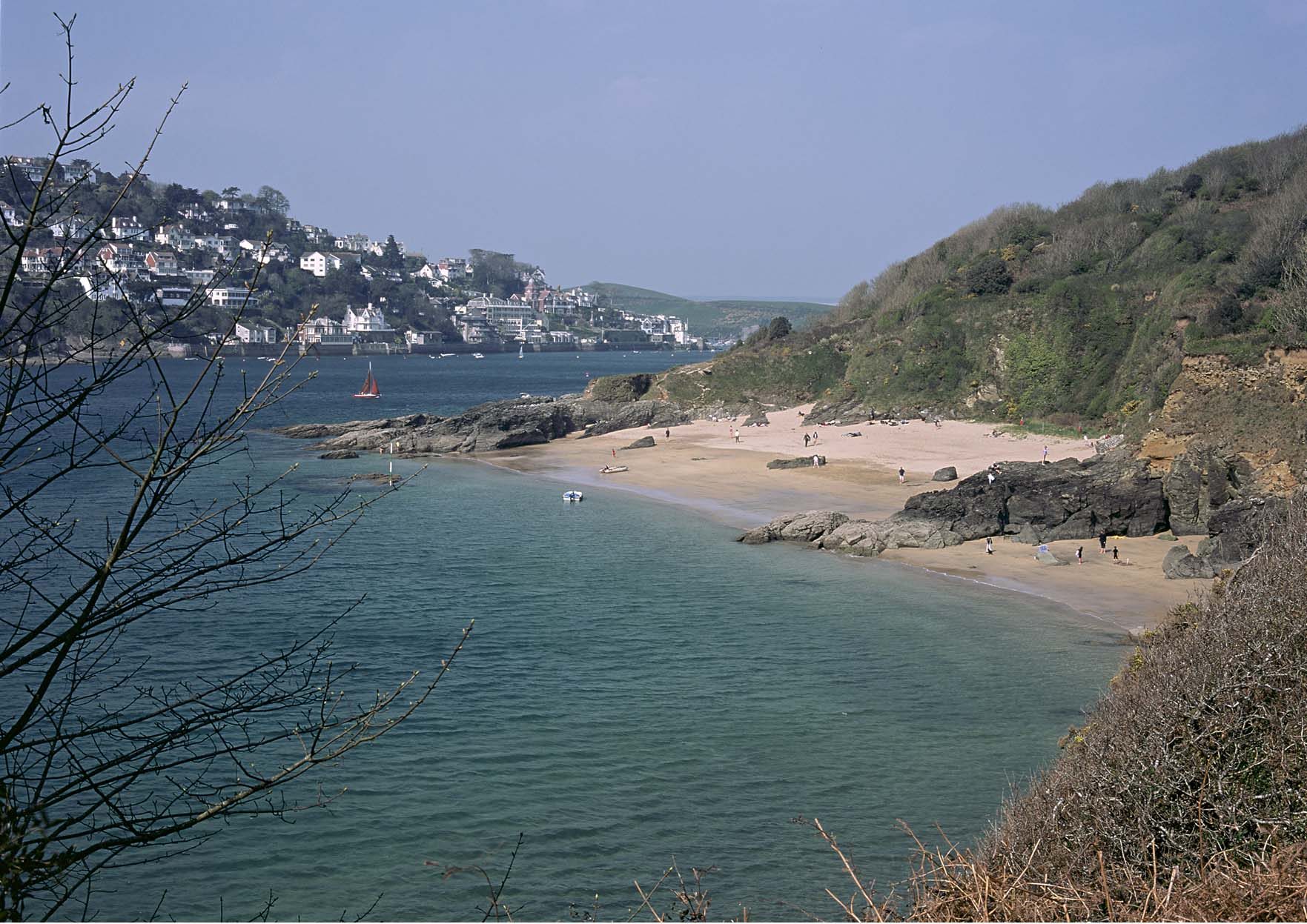
Strong maritime influence, with long and wide views along the coast and out to sea bracketed by the Isles of Portland and Wight. Impressive and diverse coast featuring several internationally recognised geological features (for example, Old Harry Rocks, Durdle Door and Lulworth Cove) and a suite of maritime habitats, some internationally designated.
-
A wealth of heritage assets and history of occupation, including barrows, early settlements, pre-Roman through medieval to Victorian industrial sites, field systems, quarries and the commandingly situated Corfe Castle, the presence of which is felt throughout the east of the NCA – often, but not always, as a skyline feature.
-
Small, scattered villages, hamlets and farms, linked by dense network of tracks and lanes.
-
Predominantly rural and agricultural in character. A mosaic of pastoral, arable and semi-natural land covers, enclosed by drystone walls, hedges and small copses.
-
Swanage and its hinterland is a popular visitor destination, with a strong identity based upon past stone quarrying and development as a resort.
-
The juxtaposition of impressive coastal and inland topography and land use and vegetation patterns which can combine to stimulate feelings such as tranquillity, solitude, ‘naturalness’, ‘wildness’ and a sense of spirituality as part of the individual’s experience of moving through the landscape.
-
Chaldon Down, where the exposure of chalk widens to rolling downland. The area has a distinct sense of place, marking the transition to the character of Dorset Downs and Cranborne Chase NCA.
-
The exposed elevated areas of the NCA are characterised by a distinct lack of woodland. Here, small trees and sparse hedgerows struggle against the strong winds and general exposure to the elements. In the lower-lying, more sheltered areas hedgerow trees, shelter belts and small clumps and copses are a frequent and distinctive feature. There are only a handful of larger woodlands, the most important of which are the ancient ‘hanger’ woodlands on the sheltered northern slopes of the Purbeck Ridge.
-
Well-drained chalk and limestone take precipitation quickly away from the surface, to emerge at spring and seepage lines where impervious strata are met. These feed the Corfe River, rising at North Egliston and running eastwards to exit the NCA at Corfe Castle, and the Swan Brook which drains the east end of the Purbeck vale, is joined by the Ulwell Stream and flows out to sea at Swanage. On the coast various springs and seepages merge to form streams in small seaward-facing valleys.
Relationship with the coast
The adjacent coastline is covered by the following Shoreline Management Plans:
- Hurst Spit to Durlston Head
- Durlston Head to Rame Head
The adjacent coastline includes the following Marine Plan – Marine Character Areas (MCAs):
- Portland, Weymouth Bay and Lulworth Banks
- Poole and Christchurch Bays
Hurst Spit to Durlston Head Shoreline Management Plan
Shoreline Management Plans are developed by Coastal Groups with members mainly from local authorities and the Environment Agency. They identify the most sustainable approach to managing the flood and coastal erosion risks to the coastline in the short, medium and long term. This could inform actions within the NCA.

Durlston Head to Rame Head Shoreline Management Plan
Shoreline Management Plans are developed by Coastal Groups with members mainly from local authorities and the Environment Agency. They identify the most sustainable approach to managing the flood and coastal erosion risks to the coastline in the short, medium and long term. This could inform actions within the NCA.
Description for the Portland, Weymouth Bay and Lulworth Banks Marine Character Area
Seascape Character Assessments have been produced for all marine plan areas in England, extending along the coast to the High Water Mark. Information in the Seascape Character Assessments could inform actions along the coastline of the NCA.
Description for the Poole and Christchurch Bays Marine Character Area
Seascape Character Assessments have been produced for all marine plan areas in England, extending along the coast to the High Water Mark. Information in the Seascape Character Assessments could inform actions along the coastline of the NCA.