

National Character Area 57
Sefton Coast - Summary and Headline Statements of Environmental Opportunity
Summary
The Sefton Coast National Character Area (NCA) runs from the mouth of the Ribble Estuary in the north to the edge of Crosby in the south. It is characterised by intertidal sand flats and mudflats, coastal sand dunes, coastal dune heathland and conifer plantations, and is backed by farmland. It contains a series of coastal settlements that include Southport, Ainsdale, Formby and Hightown.
The sedimentary shoreline experiences a range of physical environments influenced by shallow water and high tidal ranges. This has led to the development of extensive sandy and muddy/sandy beaches along the coast. Dunes of recent wind-blown sand present the dominant landscape feature along much of the coast, rising locally to 20 m above sea level in the areas around Ainsdale and Formby. There are pine plantations on the dunes at Formby and Ainsdale.
Large areas of the coastline and estuaries are internationally designated for their conservation importance as wildlife habitats. The Sefton Coast Special Area of Conservation is internationally important for the sand dune complexes with all types of dune habitats. The Ribble and Alt Estuaries Ramsar site and Special Protection Area are internationally important for a wide range of birds and other wetland species. There are populations of many internationally, nationally and regionally important species including natterjack toad, sand lizard and red squirrel.
The Sefton Coast is valued as an important recreation and conservation resource. The coastline, coastal resorts and historic towns offer recreation opportunities for local communities and visitors. There is a series of National Nature Reserves and Local Nature Reserves along the coast, as well as the National Trust reserve at Formby, the Royal Society for the Protection of Birds’ reserve at Marshside and the Wildlife Trust for Lancashire, Manchester and North Merseyside’s Freshfield Dune Heath. These provide opportunities for recreation, including wildlife watching, volunteering and education. There are also many access points to the beach.
Water quality, quantity and seasonal fluctuations are all important in managing habitats such as coastal and flood plain grazing marsh and dune slacks. The quality of bathing water is a concern for many coastal resorts, including Southport. Ongoing coastal change is leading to both losses and gains of habitats. New habitat is forming at Southport (coastal salt marsh) and Birkdale (coastal sand dunes and marshes). At Formby the mobile dunes are migrating landwards in response to coastal erosion. Beaches, intertidal habitats and dune systems can provide a natural and cost-effective means of flood defence.
Key challenges include integrating the recreation and visitor pressures associated with the seaside towns with the protection and enhancement of the internationally, nationally and locally important habitats and species. Coastal erosion is a further challenge, with the need to understand dynamic coastal and estuarine processes. Planning for and managing adaptation to coastal change is important. Ensuring a sustainable approach to coastal management is a challenge for the future of this coastline.

Headline Statements of Environmental Opportunity (SEO)
See the Statements of Environmental Opportunity section for more details on the headlines listed below.
SEO 1
Adapt to and plan for coastal change, working with coastal processes and accepting the dynamic character of this lowland coastline with its long wide arc of sandy beaches, muddy estuaries and coastal sand dune system, conserve semi-natural habitats and reduce fragmentation.

SEO 2
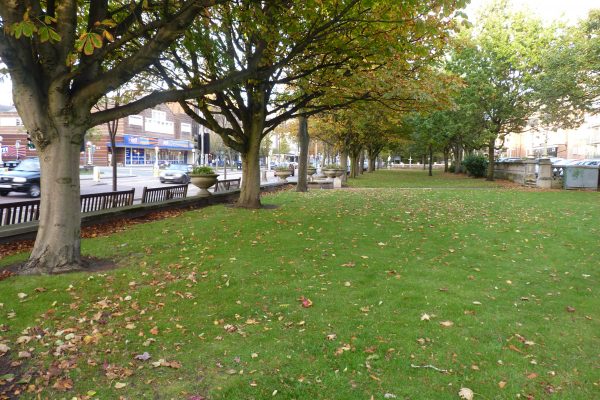
Promote sense of place by conserving and managing the coastal towns and villages while providing good green infrastructure links and interpreting Sefton’s geology, archaeology and history to enhance people’s enjoyment of the historic environment.
SEO 3
Enhance people’s understanding and appreciation of the Sefton Coast’s natural environment, celebrating nature and wildlife, providing opportunities for recreation and access, as well as areas of tranquillity, as a source of inspiration, enjoyment and learning for the health and wellbeing of local people and visitors while retaining and enhancing the features of nature conservation interest.
SEO 4
Promote the sustainable use of the terrestrial and marine resources of the Sefton Coast, working with landowners and managers to improve biodiversity, improve water quality and supply, sustainably address flood risk management and contribute to landscape character.